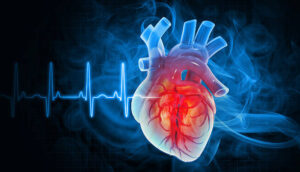


For many patients, like Ako, a diagnosis of heart disease feels like a life sentence: tablets, procedures, and endless clinic visits became his new routine overnight.
“When the doctor told me I had heart disease, I felt the ground disappear from under me,” Ako recalls. “It wasn’t just the word ‘heart attack, ’it was the fear that my life would never be fully mine again.”
But behind the stethoscope, there is growing evidence that much more lies outside the standard prescription pad, especially when it comes to why the heart weakens and how it can be healed. Ako didn’t just hear about more pills; he began to ask deeper questions: What had gone wrong? Could his story still change?
In What Your Doctor May NOT Tell You About Heart Disease, Dr. Mark Houston helps readers discover the real causes of heart disease, how to prevent and treat its debilitating effects via nutrition, nutritional supplements, exercise, weight management, and how to lay to rest common myths (including the idea that cholesterol is the primary villain), all grounded in scientific studies and medical publications. You can explore Dr. Houston’s full roadmap by reading the book, which offers a patient‑centred, evidence‑based approach to long‑term heart protection.
Beyond the Shock of Diagnosis
Ako’s first visit ended with a prescription, a follow‑up date, and a hollow feeling. What no one had time to explain that day was that heart disease is rarely a single‑factor problem; it is a slow accumulation of stress, distraction from self‑care, and sometimes inherited risk.
Yet alongside the fear, there is also hope: cardiology‑guided research shows that even early stages of atherosclerosis can be slowed, halted, or sometimes reversed when patients commit to structured lifestyle change. For Ako, that meant seeing his heart not as a broken machine, but as a faithful organ that had been quietly carrying him for years, now asking for attention, care, and mercy.
Faith, Heart, and Healing
For many Christians worldwide, the heart is not only a pump but also the seat of courage, trust, and resilience. Biblical verses such as Psalm 31:24 (“The Lord is my strength and my shield; my heart trusted in him”) and Psalm 73:26 (“God is the strength of my heart”) speak directly to the fear and fragility that follow a heart diagnosis.
Faith‑based health resources emphasise that regular prayer, community support, and spiritual reflection can reduce stress‑driven blood‑pressure spikes and help patients stay consistent with medication and lifestyle changes. When combined with medical guidance and evidence‑based lifestyle shifts, this inner resilience becomes a quiet partner in the fight against heart disease. For Ako, kneeling in prayer did not erase his diagnosis, but it softened the edges of his fear and gave him the strength to say, “I will learn to live with, and for, my heart.”
Take your next step
If you carry a family history of heart disease, have lived with high blood pressure or diabetes, or simply feel you are not hearing the full picture at your clinic, You can read more about Dr. Mark Houston’s approach, What Your Doctor May NOT Tell You About Heart Disease, and explore how nutrition, supplements, and lifestyle can work alongside modern medicine to nurture your heart.
Then, take our free heart‑risk test at eyoleheartnurture.com to understand your personal risk profile and start building a heart‑nurturing plan today.
Frequently Asked Questions
- Is heart disease only about cholesterol?
Cardiology‑guided research shows that while cholesterol levels matter, they are not the sole or even primary driver in many cases. Inflammation, high blood pressure, diabetes, smoking, physical inactivity, and poor diet all weigh heavily on heart‑attack risk. - Can lifestyle changes really reverse early heart‑disease risk?
International prevention guidelines indicate that structured lifestyle change, healthy eating, regular exercise, weight management, and quitting smoking, can significantly reduce arterial plaque progression and lower the risk of heart attack and stroke.