
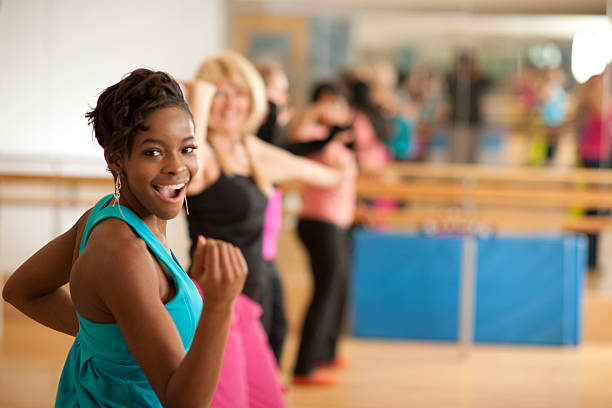
Elodie, a passionate schoolteacher, had always seen dancing as a celebration of life. One late afternoon, as Afrobeat rhythms filled her home, she noticed her heart beating faster in tune with the music, a feeling both exhilarating and new. What Elodie didn’t realize was that this dance was more than joy; it was a powerful boost to her heart health. Like Elodie, many people experience this silent transformation as their heart muscles grow stronger and their arteries clearer, blending rhythm with resilience.
What Happens to Your Heart When You Dance?
Dancing is more than movement; it’s a form of aerobic exercise that increases your heart rate, prompting your heart muscle to pump more blood with greater strength. According to cardiologists, regular dancing improves cardiovascular fitness, elevates HDL or “good” cholesterol to help clear plaque buildup in arteries, and supports healthy blood pressure and weight management. This combination reduces the risk of heart disease dramatically over time, helping your heart become more efficient and resilient.
Scientific studies show that participation in dance lowers the risk of cardiovascular disease mortality by up to 46%, surpassing many other forms of moderate exercise. The bursts of energy in dance resemble interval training that promotes healthy blood vessels and robust heart function.
Types of Dance That Benefit Your Heart
Not all dances are equal in their heart benefits. Moderate- to high-intensity dances, such as salsa, zouk, fast African dances, and ballroom, raise the heart rate into an aerobic zone ideal for cardiovascular conditioning. These styles alternately challenge and nurture your heart, much like interval training.
Taking the First Steps Toward Heart Health
- Choose dance styles that excite you and keep your heart rate elevated.
- Start slowly, increasing duration and frequency to at least 150 minutes a week.
- Combine dancing with nutritious eating and avoidance of tobacco.
- Consult your healthcare provider before starting, particularly if you have heart conditions.
- Engage with community dance programs for support and motivation.
Next Steps
At EyoleHeartNurture.com, we believe that caring for your heart is a celebration of life itself, grounded in faith and science. Join Elodie and countless others in this joyful journey toward a stronger heart.
Frequently Asked Questions
Does dancing improve heart health?
Yes. Regular dancing improves heart muscle strength, cardiovascular fitness, and cholesterol balance, supporting healthy blood flow and lowering heart disease risk.
What type of dance makes your heart beat fast?
Moderate- to high-intensity dances like salsa, ballroom, and fast African dances elevate heart rate effectively for cardiovascular benefits.
Can Dance Help a Weak Heart Become Strong Again?
Medical experts affirm that regular moderate dancing can rebuild cardiac strength, especially for those recovering from mild heart conditions. It enhances heart muscle efficiency, improves endurance, and supports vascular health, contributing to a better quality of life.
What If You Dance an Hour Every Day?
Dancing for an hour daily brings significant cardiovascular gains: stronger heart muscle, improved cholesterol profiles, regulated blood pressure, and better weight control. This sustained activity forms a robust defense against heart attacks and strokes.
References
- Study on Dancing Participation and Cardiovascular Disease Mortality, European Journal of Preventive Cardiology.
- https://pubmed.ncbi.nlm.nih.gov/26944521/
- Heart Research UK, Dancing for Heart Health.
- https://heartresearch.org.uk/information/health-and-lifestyle-tips/dancing-for-heart-health/