
Mama Elise, the breadwinner of her family, juggled trays of fresh plantains and vegetables in a market near her hometown daily. One dawn, as she lifted her basket, a tight grip clenched her chest, like an unseen hand squeezing life from her core. She paused, breath shallow, dismissing it as fatigue from endless days. But that squeeze was coronary artery disease (CAD) speaking, a quiet thief narrowing her coronary arteries through plaque buildup from years of stress, rich meals, and unspoken worries. Like Mama Elise, millions feel this invisible pressure before it roars into a heart attack, as plaque from fats and cholesterol blocks oxygen-rich blood to the heart muscle.
What is Coronary Artery Disease?
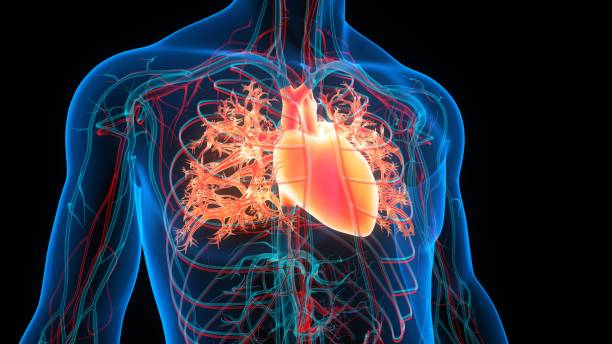
Coronary artery disease (CAD) is a common type of heart disease. It affects the main blood vessels that supply blood to the heart, called the coronary arteries. In CAD, there is reduced blood flow to the heart muscle.
Returning from the city, Mama Elise’s daughter noticed the fatigue shadowing Mama’s smile, shortness of breath on short walks, and unusual tiredness weaving into daily rhythms. Tests revealed atherosclerosis, the slow plaque accumulation hardening arteries over decades.
According to health experts, coronary artery disease (CAD) narrows or blocks the coronary arteries, which supply oxygen-rich blood to the heart, mainly from plaque buildup called atherosclerosis involving cholesterol, fats, and other substances. This reduces blood flow, sparking symptoms like chest pain (angina) or shortness of breath, and can lead to heart attacks if fully blocked. It develops silently over the years, often unnoticed until stress or activity reveals the strain.
Coronary Artery Disease Types
There are two main forms of coronary artery disease:
- Stable ischemic heart disease: This is the chronic form. Your coronary arteries gradually narrow over many years. Over time, your heart receives less oxygen-rich blood. You may feel some symptoms, but you’re able to live with the condition day to day.
- Acute coronary syndrome: This is the sudden form that’s a medical emergency. The plaque in your coronary artery suddenly ruptures and forms a blood clot that blocks blood flow to your heart. This abrupt blockage causes a heart attack.
Can You Stop Coronary Artery Disease from Progressing?
Coronary artery disease treatment often includes lifestyle changes, risk factor management, and medications. Some people may also need a procedure or surgery. In her vulnerability, Mama Elise found strength: simple walks under mango trees, meals of greens and fish, quitting tobacco shared with neighbors, taking prescribed medications from her doctor, and believing in Jesus Christ as the giver of life and strength. These nurtured her heart back to rhythm, proving CAD whispers for a reason, to guide us toward healing.
Next Steps
Jeremiah 17:7 encourages us: “Blessed is the one who trusts in the Lord, whose confidence is in him.” Take our heart test at EyoleHeartNurture.com today and begin your journey of nurturing your heart and those you love.
Frequently Asked Questions
What is the best treatment for coronary artery disease?
The best treatment combines lifestyle changes, healthy eating, exercise, no smoking, with medications, and procedures such as angioplasty or bypass surgery for blockages. No single fix fits all
What are the early warning signs of clogged arteries?
Early signs include chest pressure or angina triggered by activity, shortness of breath, unusual fatigue, especially during exertion, as arteries narrow from plaque. Women and diabetics may feel subtler cues like neck pain or nausea. Heed these whispers before they silence the heart.
How do I know if I have coronary artery disease?
Diagnosis starts with medical history, exams, blood tests, then ECG, stress tests, echocardiograms, or angiograms to spot narrowed arteries and plaque. Routine checks for high-risk groups reveal CAD early, preventing crises. Listen to your body and seek tests if symptoms arise.
How to avoid coronary artery disease?
Avoid CAD by controlling risks: eat heart-friendly foods, exercise 150 minutes weekly, maintain a healthy weight, manage blood pressure/cholesterol/diabetes, quit smoking, reduce stress, and limit alcohol. Family history or age heightens vigilance, but these habits build protective barriers.