

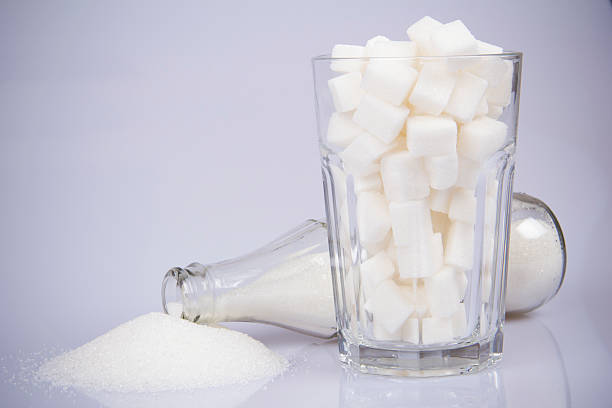
“I thought sweet tea and biscuits were harmless comforts,” shares Ruth, 52, from Buea. “But after my diagnosis of pre-diabetes and dangerously high triglycerides, my cardiologist said one thing clearly: ‘You need to quit sugar, for your heart.’
That was six months ago. Today, Ruth’s blood work is normal, and she sleeps better than she has in years. Her story reflects what leading cardiologists and Harvard Medical School confirm: quitting sugar is one of the most powerful things you can do for your heart.
How Sugar Harms Your Heart
According to Harvard Health’s groundbreaking article on the sweet danger of sugar, Excess sugar intake damages the heart in multiple ways:
| Harm Caused by Sugar | What Happens in Your Body | Heart Impact |
| Raised Blood Pressure | Sugar increases insulin, which retains sodium | Hypertension strains the heart |
| Increased Triglycerides | Liver converts excess sugar to fat | High triglycerides block arteries |
| Inflammation | Sugar triggers chronic inflammation | Damages artery walls, leading to plaque |
| Insulin Resistance | Cells stop responding to insulin | Leads to type 2 diabetes—major heart risk |
| Obesity | Empty calories cause weight gain | Extra weight forces heart to work harder |
| Fatty Liver | Fructose overload builds liver fat | Increases cardiovascular disease risk |
Dr. Michael Okon, consultant cardiologist at Addenbrooke’s Hospital, Cambridge, states: “Sugar is arguably more damaging to the heart than saturated fat. Reducing added sugar is the single most effective dietary change for heart health.”
Harvard Medical School emphasises that just 3 months of sugar reduction can lower blood pressure, triglycerides, and inflammation significantly.
Faith: Finding Calm in Sobriety
For Ruth, quitting sugar wasn’t just about willpower, it was about surrender. “I started praying before meals: ‘Lord, help me choose what heals, not what harms.’ That prayer brought calm. I stopped craving sweets because my heart felt full in You.”
A study in the Journal of Cardiac Nursing found that patients who combined dietary changes with daily prayer showed 40% better adherence to heart-healthy diets than those who relied on willpower alone.
Psalm 107:9 reminds us: “He satisfies the thirsty and fills the hungry with good things.” When we turn to Jesus, He satisfies the deep cravings that sugar never truly fulfills.
Practical Steps to Quit Sugar
✅ Read labels: Avoid anything with “syrop,” “sucrose,” “fructose,” or “honey” in the first 3 ingredients
✅ Swap sweets for fruit (whole fruit, not juice)
✅ Drink water instead of sugary drinks (saves ~400 calories per soda)
✅ Eat protein + fibre at every meal to stabilise blood sugar
✅ Pray before meals for strength and clarity
✅ Track progress with a simple journal
Next Steps
Take our free heart health test at eyoleheartnurture.com to assess your heart risk and get personalised tips. For more insights into how sugar silently damages your heart, read Harvard Health’s essential article on the sweet danger of sugar
Frequently Asked Questions
1. Is quitting sugar good for the heart?
Yes. Harvard Medical School confirms that reducing added sugar lowers blood pressure, triglycerides, inflammation, and diabetes risk, all major causes of heart disease. Even small reductions deliver measurable benefits within weeks.
2. How much sugar is too much for heart health?
The American Heart Association recommends:
- Men: No more than 9 teaspoons (36g) per day
- Women: No more than 6 teaspoons (24g) per day
- Children: No more than 3–4 teaspoons (12–15g)
Most people consume 3–4 times this amount, primarily from processed foods and drinks [health.harvard:1].
3. Can quitting sugar reverse heart damage?
Early damage, such as high blood pressure, elevated triglycerides, and insulin resistance, can be reversed within 3–6 months of sugar reduction. However, advanced artery damage or heart failure may be permanent, which is why early action is critical, per cardiologists at Harvard Medical School.
Disclaimer: This article is for informational purposes only. Consult a cardiologist or dietitian for personalised medical advice.